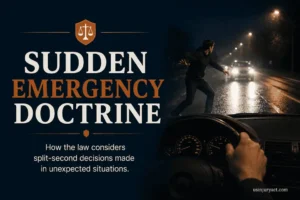
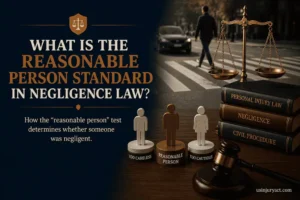
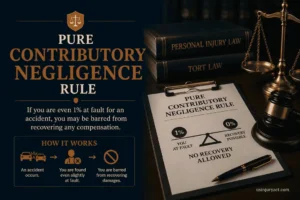
This category covers the foundational doctrines and legal principles that shape negligence, tort, and personal injury law in the United States. These rules help courts determine duty, liability, causation, responsibility, and the rights of injured parties.
Our articles explain important legal concepts such as foreseeability, proximate cause, duty of care, assumption of risk, comparative negligence, respondeat superior, res ipsa loquitur, and many other influential doctrines. Each guide simplifies complex legal theories and demonstrates how they apply in real-world situations with good examples.
So as a student, researcher, legal writer, or curious reader, these resources provide a deeper understanding of the principles that drive civil liability and negligence claims.