An automobile tort is a civil wrong arising from the operation of a motor vehicle that causes injury or property damage to another person, giving the injured party the right to seek monetary compensation through the civil court system.
Every day across the United States, thousands of car crashes, truck collisions, motorcycle accidents, and pedestrian knockdowns generate automobile tort claims.
If you were injured in a motor vehicle accident caused by someone else’s negligence, recklessness, or intentional misconduct, you have the right to pursue compensation.
This guide covers every dimension of an automobile tort claim in 2026, including the types of torts, common injuries, how to file a claim, available compensation, and the legal obstacles you may encounter along the way.
What Makes Something an Automobile Tort?
The word “tort” simply means a civil wrong. In the automobile context, a tort arises when someone operating or responsible for a motor vehicle breaches a duty of care owed to others on the road or nearby, and that breach causes harm.
The four-element negligence test applies:
- Duty
- Breach
- Causation
- Damages
Every driver in the United States owes a duty to other road users to operate a vehicle in a reasonably safe manner.
When a driver speeds, runs a red light, texts while driving, drives impaired, or follows too closely, they breach that duty.
If that breach causes a crash that injures someone, the injured person has the basis for an automobile tort claim.
Automobile torts are not limited to negligence, they can also arise from recklessness, such as drag racing on public roads, or intentional conduct, such as using a vehicle as a weapon.
Strict liability may also apply in cases involving commercial trucking companies, defective vehicle components, and rideshare accidents involving employer liability theories.
Types of Automobile Torts
Negligent Operation
Negligent operation is the most common basis for an automobile tort claim. It includes any failure to exercise reasonable care while driving.
Distracted driving is currently one of the leading causes of traffic fatalities in the United States. Other common forms of negligent operation include speeding, failure to yield, improper lane changes, failure to signal, tailgating, and running stop signs or red lights.
Drunk or Impaired Driving Torts
Driving under the influence of alcohol, prescription drugs, marijuana, or other substances can result in both criminal prosecution and civil liability.
DUI torts often support claims for punitive damages beyond compensatory damages because impaired driving is frequently treated as reckless or grossly negligent conduct.
Dram shop liability may also extend responsibility to businesses that serve alcohol to visibly intoxicated customers who later cause accidents.
Distracted Driving Torts
Texting while driving is illegal in most U.S. jurisdictions.
When a driver causes a collision while texting, using navigation apps, eating, applying makeup, or engaging in other distractions, that conduct becomes important evidence of liability.
Phone records showing active device use at the time of impact can significantly strengthen a plaintiff’s case.
Commercial Vehicle and Trucking Torts
Accidents involving commercial trucks, delivery vans, or rideshare vehicles often involve additional layers of liability.
Commercial carriers are subject to federal safety regulations covering driver qualifications, vehicle maintenance, weight limits, and hours-of-service requirements.
Violations of these regulations can serve as evidence of negligence.
Trucking cases frequently involve multiple defendants, including:
- The truck driver
- The trucking company
- The cargo loading company
- The vehicle manufacturer
- The equipment leasing company
Product Liability in Auto Accidents
When a vehicle defect contributes to a crash or worsens injuries, a product liability claim may accompany the automobile tort claim.
Examples include:
- Defective airbags
- Faulty seatbelts
- Brake failures
- Tire blowouts
- Electronic control system malfunctions
Claims may be brought against manufacturers, suppliers, dealerships, or other entities responsible for the defective component.
Government Entity Liability for Road Defects
Road hazards such as potholes, missing guardrails, defective traffic signals, or dangerous roadway designs can contribute to accidents.
In such situations, the government entity responsible for maintaining the roadway may be liable.
Claims against government agencies usually involve strict notice requirements and shortened filing deadlines.
Failure to comply with these requirements can permanently bar recovery.
Negligent Entrustment
Negligent entrustment occurs when a vehicle owner knowingly allows an incompetent, reckless, impaired, or unlicensed person to operate their vehicle.
If that person causes an accident, the owner may share liability. For instance, Parents allowing unsafe teenage drivers to use a vehicle; Employers permitting employees with serious driving violations to operate company vehicles; or rental companies providing vehicles to visibly intoxicated customers
Common Injuries in Automobile Torts
Traumatic Brain Injuries
Traumatic brain injuries range from mild concussions to severe injuries that cause permanent cognitive and physical impairment.
These cases often result in substantial verdicts because of long-term treatment costs and diminished earning capacity.
Spinal Cord Injuries
Spinal cord injuries can result in partial or complete paralysis. They are among the most devastating outcomes of serious motor vehicle accidents. Lifetime care costs can reach millions of dollars depending on the severity of the injury.
Whiplash and Soft Tissue Injuries
Rear-end collisions commonly cause whiplash, a neck injury resulting from sudden back-and-forth movement of the head.
Although often minimized by insurance companies, severe whiplash can cause chronic pain, headaches, limited mobility, and lasting disability.
Broken Bones and Orthopedic Injuries
Fractures involving the arms, legs, ribs, pelvis, and hands are common in automobile accidents. Some injuries heal completely, while others lead to chronic pain, arthritis, reduced mobility, or multiple surgeries.
Psychological and Emotional Injuries
Automobile accidents frequently cause emotional trauma in addition to physical injuries.
Compensable psychological injuries may include:
- Post-traumatic stress disorder (PTSD)
- Anxiety
- Depression
- Driving-related phobias
Proper medical documentation is essential to support these claims.
How to File an Automobile Tort Claim
1. Seek Immediate Medical Attention
Your health should always be your first priority. Many serious injuries do not produce immediate symptoms.
Prompt medical treatment protects both your health and your legal claim by creating a clear record of your injuries.
2. Document the Scene and Preserve Evidence
If possible, gather photographs of the vehicles involved, the roadway, traffic signals, weather conditions, visible injuries and obtain witness contact information and preserve any available dashcam footage.
3. Report the Accident to Law Enforcement
Most states require reporting accidents involving injuries, fatalities, or significant property damage, coupled with the fact that a police report often becomes a critical piece of evidence during settlement negotiations or litigation.
4. Notify Your Insurance Company
Most insurance policies require prompt notice of accidents, therefore you’re to provide basic information but be cautious when giving recorded statements before consulting an attorney.
5. Consult a Personal Injury Attorney
Automobile tort cases frequently involve disputed liability, comparative fault issues, insurance coverage questions, and aggressive defense strategies.
A good attorney can evaluate the claim, preserve evidence, negotiate with insurers, and pursue litigation when necessary. The fact that most personal injury attorneys work on a contingency fee basis makes the process a lot easier. That means legal fees are paid only if compensation is recovered.
6. File Within the Statute of Limitations
Every state imposes deadlines for filing automobile tort lawsuits. Missing the applicable statute of limitations generally results in permanent dismissal of the claim regardless of its merits.
Compensation Available in Automobile Tort Cases
Economic Damages
Economic damages compensate measurable financial losses, including:
- Medical expenses
- Future medical treatment
- Rehabilitation costs
- Prescription medications
- Lost wages
- Reduced earning capacity
- Home health care
- Disability-related vehicle modifications
Non-Economic Damages
Non-economic damages compensate for losses that do not have a direct financial value. It may include:
- Pain and suffering
- Emotional distress
- Loss of enjoyment of life
- Disfigurement
- Permanent impairment
- Loss of consortium
Punitive Damages
Punitive damages may be awarded when the defendant’s conduct was reckless, grossly negligent, or intentional.
Examples include drunk driving crashes, street racing incidents, and deliberate disregard of known safety defects.
The purpose of punitive damages is to punish wrongdoing and discourage similar conduct in the future.
Common Challenges in Automobile Tort Claims
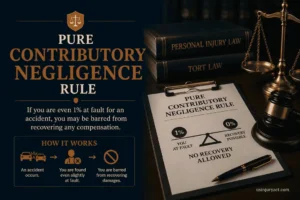
The Comparative Fault Battle
Insurance companies often argue that the injured person shares responsibility for the accident.
Depending on state law, a finding of substantial fault can significantly reduce or completely eliminate compensation.
Strong evidence, witness testimony, and accident reconstruction analysis are often essential in overcoming these arguments.
Insurance Coverage Disputes
Serious injuries frequently exceed available insurance limits therefore disputes may arise regarding policy exclusions, underinsured motorist coverage, and the overall value of the claim.
Some states also operate under no-fault auto insurance systems that impose additional procedural requirements.
Soft Tissue Injury Skepticism
Insurance companies frequently challenge soft tissue injury claims by alleging that injuries are exaggerated, pre-existing, or unrelated to the collision. But with consistent medical treatment and thorough documentation, you can overcome these defenses.
Proving Damages for Future Care
In catastrophic injury cases, future medical expenses and lost earning capacity often become major points of dispute as expert testimony from economists, vocational specialists, and life-care planners is frequently required to establish long-term damages.
In summary
Automobile tort claims involve far more than a simple car accident dispute, they often require navigating complex liability theories, insurance coverage issues, medical evidence, and procedural rules.
The difference between a fair settlement and a lowball offer frequently depends on the quality of evidence gathered and the effectiveness of the legal strategy developed from the very beginning of the claim.